
- February 28, 2026
- The Loft Guys
- 0
Loft insulation is one of the most effective ways to improve your home’s energy efficiency. Because heat naturally rises, an uninsulated loft allows a significant amount of warmth to escape through the roof. By installing the right insulation, homeowners can reduce heat loss, lower energy bills, and make their home more comfortable year-round.
However, not all loft insulation is the same. Different materials have different benefits, and the best option often depends on the type of property, the structure of the loft, and how the space is being used. Understanding the most common insulation types can help you choose the right solution for your home.
Why Loft Insulation Matters
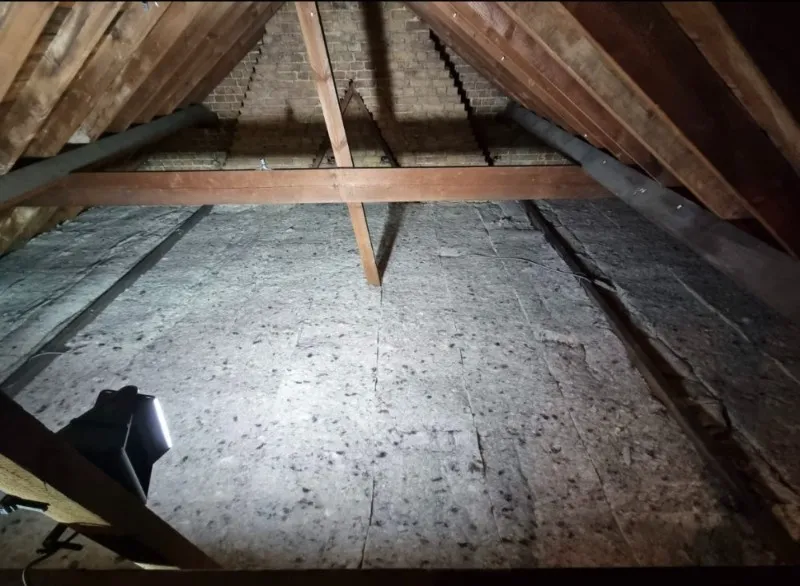
Many homes, particularly older properties, still have insufficient insulation in the loft. Modern building recommendations suggest around 270mm of insulation depth, but many lofts still contain much less.
When insulation levels are too low, warm air escapes through the roof, forcing heating systems to work harder to maintain comfortable temperatures. Proper insulation slows this heat loss by trapping warm air within the home.
The result is a house that stays warmer in winter, cooler in summer, and far more energy efficient overall.
Knauf Loft Roll Insulation
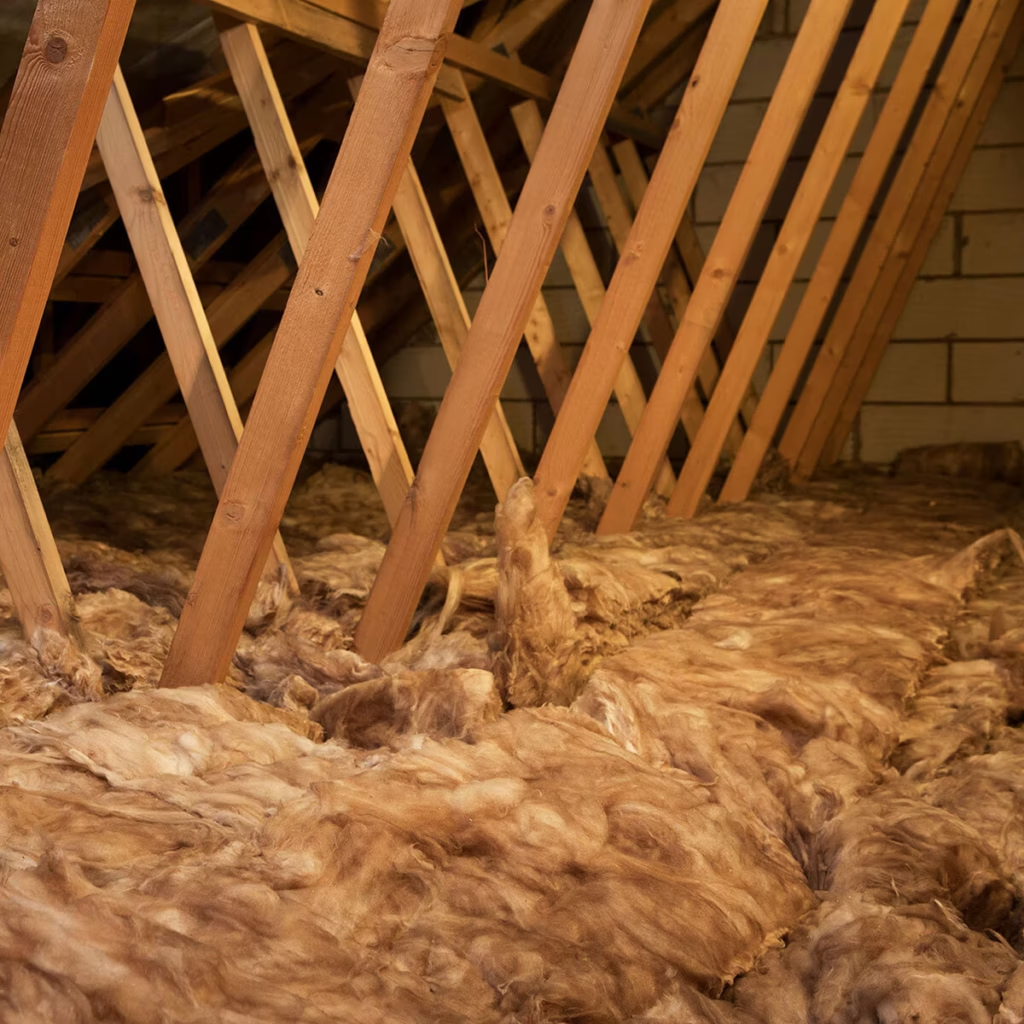
Knauf loft roll is one of the most widely used insulation materials in UK homes. It is made from mineral wool and comes in large rolls that are laid between and across the loft joists.
This type of insulation is popular because it is cost-effective, reliable, and suitable for most standard lofts. It performs particularly well in modern homes with accessible loft spaces where insulation can be installed evenly across the floor.
Knauf insulation is also non-combustible and designed to resist moisture. When installed to the recommended depth, it provides excellent thermal performance and can significantly reduce heat loss through the roof.
For many homeowners looking for a straightforward and proven insulation solution, mineral wool roll remains one of the most practical choices.
SupaSoft Loft Insulation
SupaSoft insulation is another mineral wool product but is designed with improved flexibility and softness, making it easier to handle and install.
Because it is softer than traditional mineral wool, it can fit more neatly around joists, pipes, and other obstructions in the loft. This helps reduce small gaps where heat could escape.
SupaSoft insulation is often used in lofts where installers need to work around existing structures or in spaces that require a slightly more adaptable material.
For homeowners, the benefits are similar to standard mineral wool insulation, but the installation process can be smoother and more efficient.
Sheep’s Wool Insulation
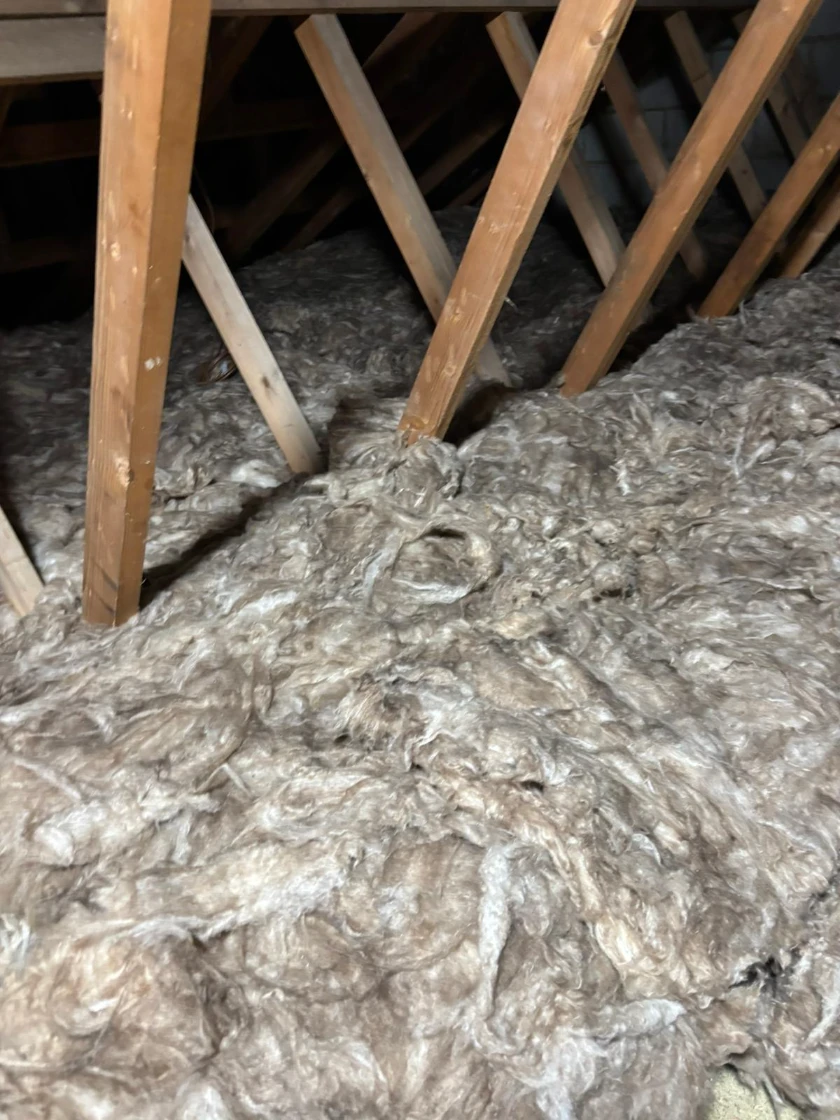
Sheep’s wool insulation is a natural material that has gained popularity among homeowners looking for environmentally friendly insulation options.
Wool fibres naturally trap air, making them excellent at slowing heat transfer. One of the key advantages of sheep’s wool insulation is its ability to absorb and release moisture without losing insulation performance. This helps regulate humidity levels within the loft.
Because it is a breathable material, sheep’s wool can work well in older properties where moisture management is important. Traditional homes with timber structures often benefit from natural insulation materials that allow airflow.
Although it is typically more expensive than mineral wool, sheep’s wool is valued for its sustainability and natural performance.
Recycled Plastic Insulation
Insulation made from recycled plastic fibres is another modern alternative to traditional mineral wool. Often produced from recycled bottles, this type of insulation offers a durable and eco-friendly option.
One of the main advantages of recycled plastic insulation is its resistance to moisture and mould. It does not absorb water in the same way some natural fibres can, which can make it a practical choice for lofts where condensation could be a concern.
It is also softer to handle during installation and produces less dust than some mineral wool products. For homeowners who want an insulation material with a strong environmental story, recycled plastic insulation can be an appealing choice.
Hemp Loft Insulation
Hemp insulation is another natural material that is becoming increasingly popular in sustainable construction. Hemp fibres create dense insulation layers that provide good thermal performance while also allowing the structure to breathe.
This makes hemp particularly suitable for older or heritage homes where maintaining natural airflow within the building structure is important. Solid wall properties, cottages, and period homes often benefit from breathable materials that reduce the risk of trapped moisture.
Like sheep’s wool, hemp insulation tends to be more expensive than mineral wool products, but it is valued for its sustainability and environmental credentials.
Choosing the Right Insulation for Different Homes
The best loft insulation often depends on the age and structure of the property.
In modern homes with standard loft spaces, mineral wool products such as Knauf loft roll or SupaSoft are usually the most practical and cost-effective option. They provide excellent thermal performance and can be installed quickly to reach recommended insulation depths.
Older homes, particularly those with traditional timber structures, may benefit from more breathable materials such as sheep’s wool or hemp insulation. These materials allow natural airflow while still providing effective thermal insulation.
Eco-conscious homeowners may also choose recycled plastic insulation or natural fibre materials to reduce environmental impact.
Ultimately, the right insulation depends on how the loft is constructed, how the space will be used, and whether other improvements such as loft boarding will be installed at the same time.
Combining Insulation With Loft Boarding
Many homeowners upgrade their loft insulation at the same time as installing loft boarding. This ensures the insulation reaches the correct depth before a raised boarding system is installed above it.
By combining both improvements, homeowners can create a loft space that is both energy efficient and suitable for storage. Raised boarding systems allow insulation to remain fully effective while still providing a safe storage platform.
This approach allows the loft to serve two important purposes: improving the home’s energy performance while also adding valuable storage space.
Improving Your Home’s Energy Efficiency
Choosing the right loft insulation is one of the simplest ways to improve the overall efficiency of a home. With the correct material and installation depth, homeowners can significantly reduce heat loss through the roof.
Whether you choose mineral wool, natural fibres like sheep’s wool or hemp, or modern recycled materials, the most important factor is ensuring the insulation is installed correctly and reaches the recommended depth.
For many homes, upgrading loft insulation is a small change that delivers long-term benefits in comfort, energy efficiency, and lower heating costs.
Get a professional loft insulation quote today.